Stylitics, a startup powering outfit-based shopping recommendations for online retailers, is announcing that it has raised $15 million in Series B funding.
The company was initially known for ClosetSpace, a mobile app that provided consumers with outfit recommendations and inspiration.
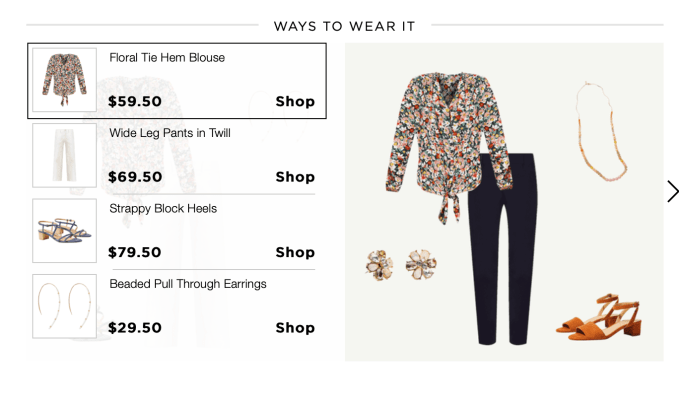
While the app is still live, Stylitics’ focus has shifted to its retailer tools — for example, when you look at this blouse on the LOFT website or this shirt on the Banana Republic site, Stylitics is powering the “Ways to Wear It” and “Wear It With” widgets recommending other products that you could purchase to complete the outfit.
The company said it’s drawing on brand merchandising guidelines, engagement and purchase data from the retailer, broader trend data and stylists’ expertise to create these recommendations, which are updated as products sell out.
In an email, founder and CEO Reuben Deuskar (pictured above) added that Stylistics is able to provide useful recommendations from the start, without requiring time to train with a retailer’s data.
“We have billions of data points from powering outfitting on dozens of sites for more than four years, so we have a very good idea on Day One what an excellent and high performing outfit should look like for each product for a new customer,” Deuskar said.
Stylitics says it has driven $300 million for its retail partners — a group grown in the past year to include Ann Taylor, Calvin Klein, Chico’s, Gap, Kohl’s, Macy’s, Under Armour and White House Black Market.
The startup has now raised a total of $21 million. The new round was led by PeakSpan Capital, with participation from Trestle LP. PeakSpan co-founder Phil Dur is joining the Stylitics board.
“With the rapid growth of digital commerce, retailers are scrambling to keep pace with the consumer demand for more visually exciting and compelling shopping experiences,” Dur said in a statement.
The startup said it will use the money to grow its sales and marketing team while new developing new types of shoppable content and in-store experiences
from TechCrunch https://ift.tt/2ZmpDlt
Comments
Post a Comment